
Our mission is to help businesses connect, protect, and derive more value from their assets. As a leading global innovator, developer, and supplier of IoT solutions, we drive continuous innovation to enable our partners to deploy confidently at scale worldwide.
What is Soil Moisture and Quality Monitoring?
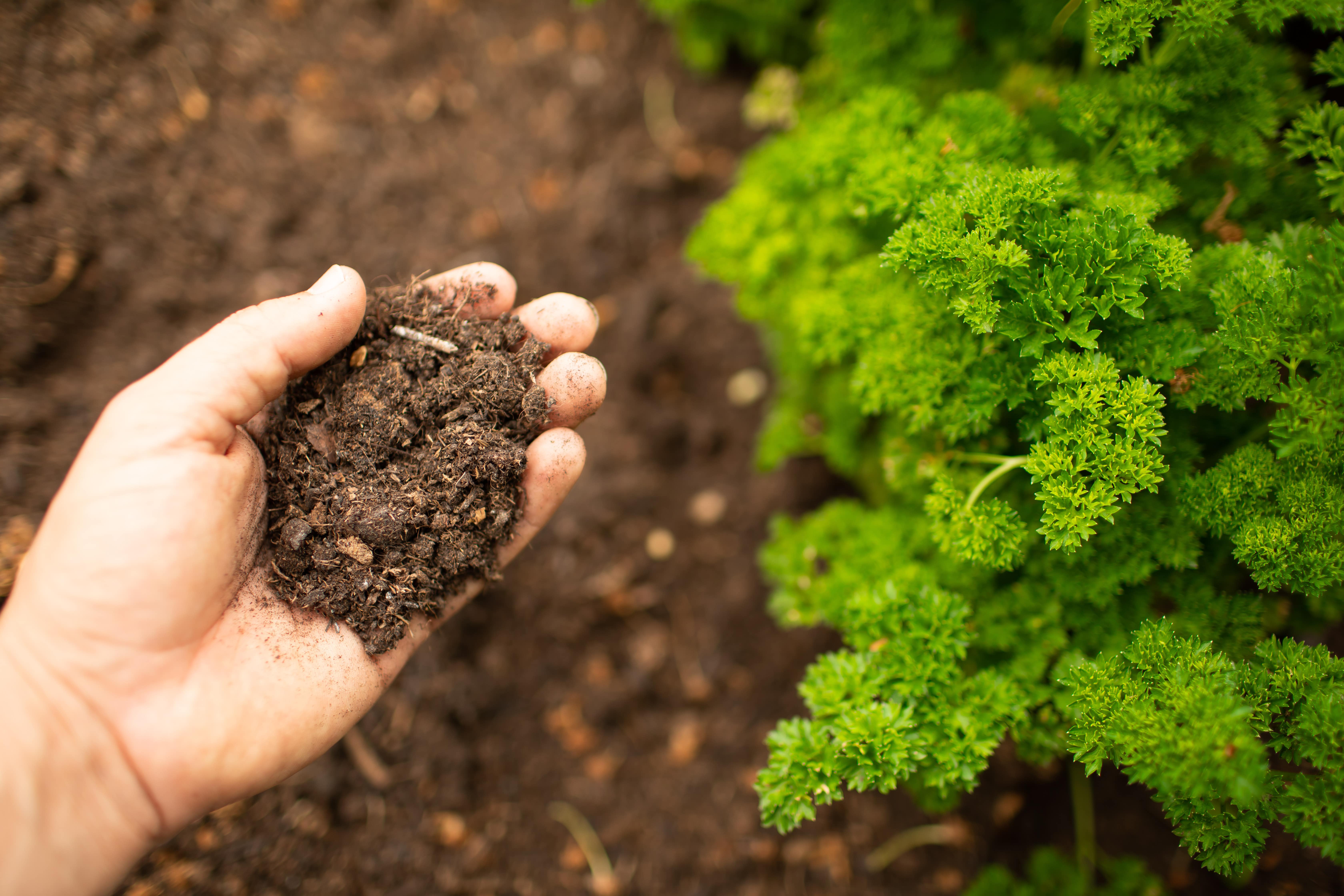
Soil moisture sensor monitoring is the process of measuring and tracking the amount of water present within the soil profile. Soil moisture refers to the water held in the pore spaces between soil particles, where it is available for plant uptake and supports healthy root development.
Maintaining the right moisture level is important because soil water acts as a carrier for dissolving and transporting vital minerals and nutrients to plants. Both insufficient and excessive moisture can impact crop performance, leading to drought stress, nutrient deficiencies, reduced yields, or waterlogged soils that limit root oxygen availability.
Several factors influence soil moisture levels, including rainfall, snowmelt, irrigation practices, evaporation rates, and soil texture. Different soil types store water differently, with finer soils generally holding more water than coarse sandy soils. Understanding these variations helps operators make informed irrigation decisions and improve water use efficiency.
By combining soil moisture sensors with remote monitoring technology, organizations can continuously track changing conditions, identify trends, and respond quickly to emerging issues before they impact productivity.
Factors Affecting Soil Moisture
There are a variety of factors that can influence soil moisture levels, including weather conditions, soil type, and crop type. Weather patterns play a significant role in soil moisture levels, including rainfall, temperature, and humidity, which determine how much water is available in the soil.
Another factor affecting soil moisture is soil type, the texture, structure, and organic matter content of the soil determines its water-holding capacity. For example, sandy soils drain water quickly, while clay soils retain water longer. The type of crops grown and their specific water requirements can affect soil moisture levels. Having an understanding of these factors is essential for effective soil moisture management.
Did you know that soils with higher organic matter can store more water?
Healthy soil biology also depends on consistent moisture levels, with beneficial bacteria and fungi thriving in stable conditions while plants draw water from the soil and release it back into the atmosphere through natural processes.
Who Uses Soil Moisture Monitoring Systems?
Soil moisture monitoring is used across a wide range of industries where understanding water availability is important for operational performance, resource management, and environmental sustainability.
Agriculture and Irrigation
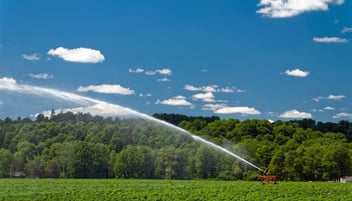
Farmers and growers use soil moisture sensors to optimize irrigation schedules, reduce water waste, and improve crop yields. For most vegetable crops, soil moisture is generally maintained at approximately 40–80% of field capacity to support healthy growth while avoiding overwatering.
Broadacre and Large-Scale Farming
Large agricultural operations often combine traditional soil moisture sensors with technologies such as neutron probes to measure moisture levels deeper within the soil profile. These insights help operators better understand water movement, root-zone conditions, and irrigation effectiveness across large fields.
Research and Environmental Monitoring
Researchers, environmental agencies, and land managers use soil moisture monitoring to study hydrology, vegetation health, drought conditions, and ecosystem performance. Long-term monitoring provides valuable data for understanding how rainfall and snowmelt influence soil moisture levels over time.
Forestry, Landscaping, and Turf Management
Parks, golf courses, sporting facilities, and forestry operations use soil moisture monitoring to maintain healthy vegetation while minimizing unnecessary irrigation. Accurate moisture data helps improve water conservation efforts and reduce maintenance costs.
Water Resource Management
Utilities, councils, and environmental organizations use soil moisture data alongside weather, groundwater, and surface water monitoring systems to support broader water management initiatives and improve long-term planning.
Soil Moisture Sensor Monitoring for Agriculture and Environmental Management
Soil moisture monitoring gives growers and land managers the information they need to make timely, data-driven decisions. By understanding how much water is available in the soil, they can optimize irrigation scheduling, reduce water use, and support consistent crop performance.
Continuous monitoring also helps identify changing field conditions over time, providing valuable insights for soil management, fertilizer planning, and broader environmental monitoring programs.
Impact of Soil Moisture on Plant Growth
Maintaining the right soil moisture levels helps optimize irrigation, improve crop performance, and make more efficient use of water resources. Plants need a certain level of soil moisture to thrive, too little moisture can lead to water stress, stunting growth, and reducing yields. Alternatively, excessive soil moisture can cause waterlogged conditions, which can suffocate plant roots and lead to poor plant health. Maintaining the right soil moisture levels is important for ensuring healthy plant growth and maximizing crop productivity.
Soil Moisture Sensors
Soil moisture sensors are devices designed to measure the moisture content of the soil. These sensors are invaluable tools for irrigation management, crop planning, and water conservation. By providing real-time data on soil moisture levels, these sensors help farmers optimize irrigation schedules, reduce water waste, and improve crop yields.
Types of Soil Moisture Sensors
There are several types of soil moisture sensors available, each with its own unique method of measuring soil moisture content:
- Volumetric Water Content (VWC) Sensors: These sensors measure the volume of liquid water per volume of soil, usually expressed as a percentage. They provide a direct measurement of soil moisture content, making them highly accurate and reliable.
- Soil Water Tension Sensors: These sensors measure the energy required by plant roots to extract water from soil particles. They are particularly useful for understanding the availability of water to plants and can help in managing irrigation schedules.
- Electrical Resistance Sensors: These sensors measure the electrical resistance of the soil, which changes with moisture content. They are cost-effective and easy to use, making them a popular choice for many applications.
- Time-Domain Reflectometry (TDR) Sensors: These sensors measure the time it takes for an electrical signal to travel through the soil, which is affected by the moisture content. TDR sensors are highly accurate and can provide detailed information on soil moisture levels.
Each type of sensor has its own advantages and disadvantages, and the choice of sensor depends on the specific application and requirements.
Sensors provide valuable operational insights, but they need a connectivity solution to transmit their data to a monitoring platform. Manually checking every soil moisture sensor or probe to record readings is time-consuming and inefficient. A soil moisture data logger automates this process by seamlessly transmitting sensor data to a cloud-based platform for remote monitoring. Automated data collection eliminates the need for manual readings while providing near real-time visibility into soil conditions. With continuous access to accurate data, users can make proactive irrigation decisions, improve operational efficiency, and reduce costs.
Soil Moisture Data Logger: The Hawk
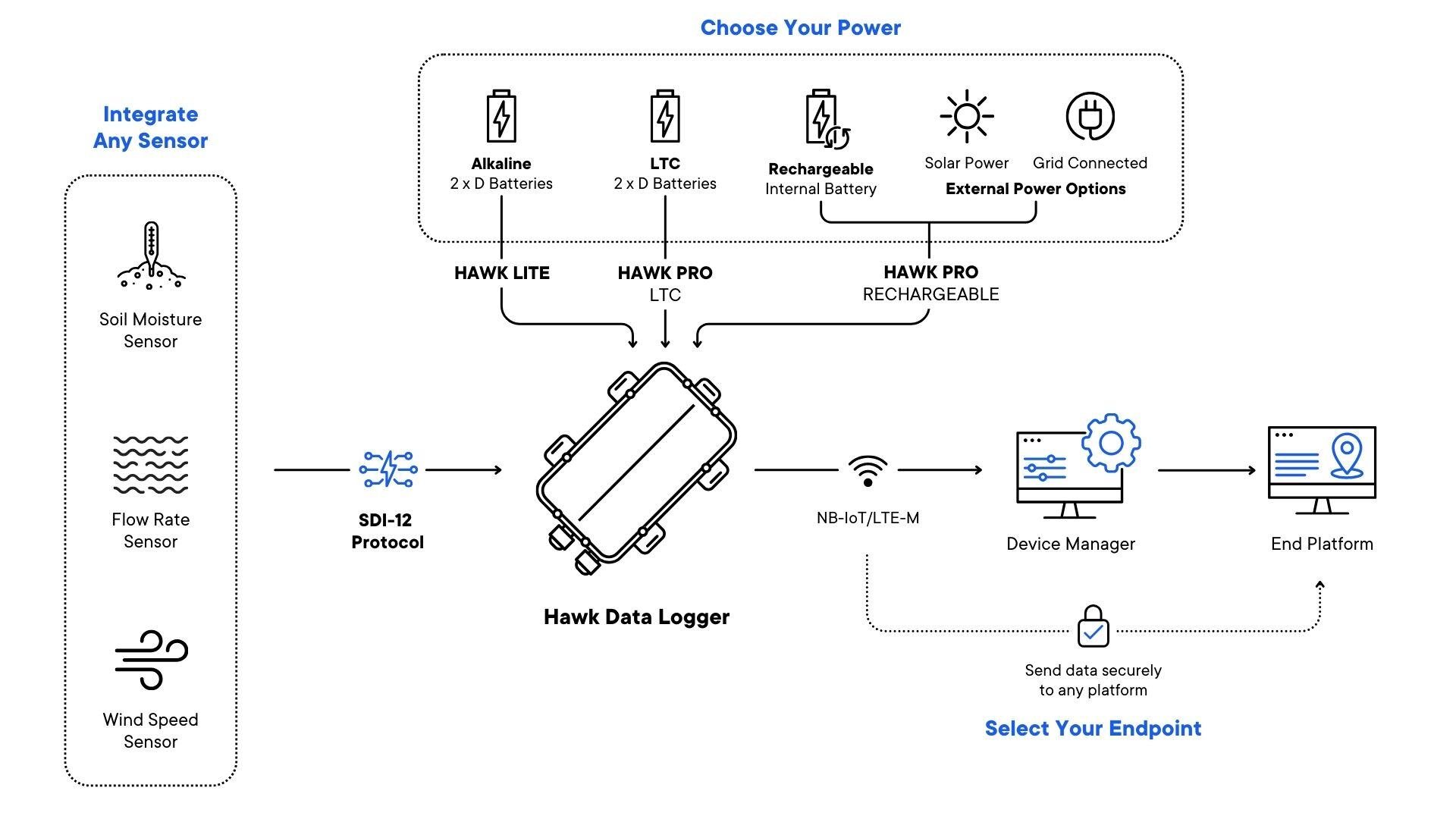
The Hawk is a versatile IoT Data Logger and sensor hub, designed to accurately monitor soil moisture and quality. The Hawk can be integrated with a range of wireless soil moisture sensors to collect soil moisture and soil quality data and communicate this information to an end-platform.
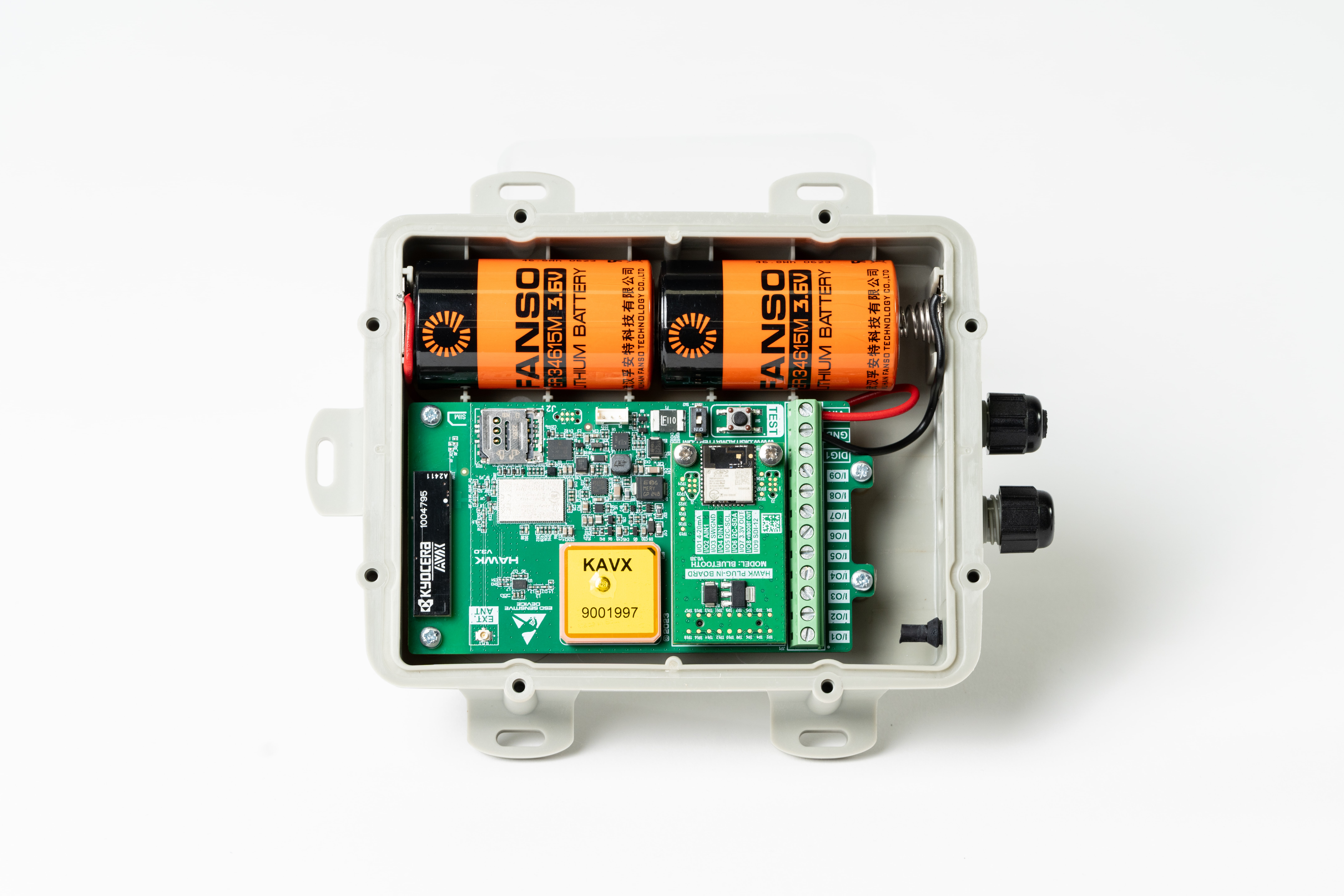
With its robust, weatherproof housing, the Hawk ensures reliable data collection and transmission, enabling informed decisions and optimized soil management practices for improved crop yield and sustainability.
The Hawk significantly simplifies and enhances soil moisture and quality monitoring through:
- Near Real-time Data Access: The Hawk provides almost immediate access to soil data, allowing farmers and environmental managers to make informed decisions promptly. This monitoring can help optimize irrigation and fertilization schedules, thereby ensuring ideal soil conditions.
- Precise and Accurate Data: The universal nature of the Hawk means that you can connect with low-cost, high-quality sensors. This will then allow the Hawk to deliver accurate and reliable data. This precision reduces water and fertilizer waste, enhancing resource efficiency and promoting sustainable practices.
- Easy Configuration and Scalability: The Hawk's modular design and plug-and-play I/O cards make it easy to set up and customize according to specific monitoring needs. Its scalable architecture allows for the integration of multiple sensors, supporting extensive monitoring networks across large agricultural fields or environmental sites.
How to Measure Soil Moisture with the Hawk
The Hawk soil data logger uses a baseboard/PCB with plug-in I/O cards that can connect to up to nine sensors from a single device. The Hawk can then be configured to sample these sensors and wireless soil moisture probes at specified intervals or in response to predefined conditions.
Then, using LTE-M (Cat-M1) and NB-IoT connectivity, the Hawk transmits the collected data to an endpoint of the customer's choice, ensuring reliable data transmission even in areas with limited signal, thereby enabling continuous monitoring and management of equipment in remote or challenging environments.
Driving Better Water Conservation Outcomes with IoT
The Hawk's flexibility, combined with its low power consumption and operational excellence in remote locations, provides users with a seamless and reliable solution for monitoring soil moisture, soil profile conditions, and overall soil quality.
Employing The Hawk, with its rich and configurable data collection capabilities, enables users to better understand water movement through the soil, improve operational efficiency, reduce maintenance costs, and make proactive, data-driven decisions for more effective soil management.
Learn more about the Hawk or contact us to discuss your remote soil quality monitoring requirements.


.png)
.jpg?width=352&name=Oct%20LinkedIn%20(1).jpg)